Organizations with a strong culture of quality save an average of $337 million annually due to making fewer mistakes. This is due to improved productivity, increased customer satisfaction, and increased margins."
- Gartner

Quality - The Introduction

The word "quality" can mean different things to different people. To some, meeting compliance requirements is quality. To others, it’s business excellence and customer satisfaction. While both statements are true, there’s a difference between meeting quality regulatory standards and fostering a quality culture in the company.


Talk To Our Quality Expert

Fill the form and our experts will get back to you soon.

   I consent to receive communications (which may include phone, SMS/Whatsapp, email, and social) from Hexagon and a group of companies. I understand I may proactively manage my preferences or opt out of communications with Hexagon and a group of companies at any time using the unsubscribe link provided in all Hexagon and their group of companies' email communications.

What is a Quality Culture?

Quality culture is every employee's working mindset or behavior within an organization. A quality culture is an environment where team members genuinely care about the quality of their work and make decisions that help achieve that level of quality.

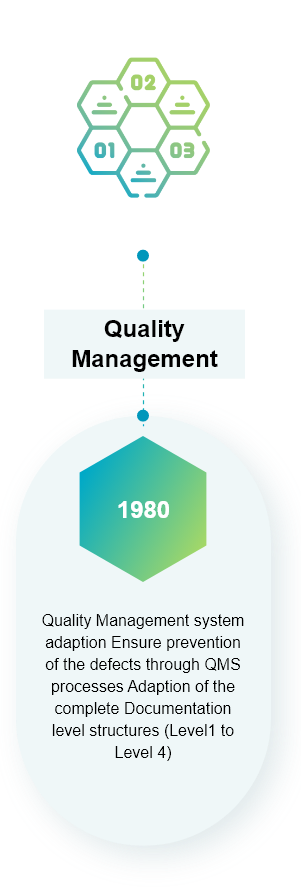
Evolution of Quality

Quality involves perfection, fast delivery, consistency, providing a
good usable product, eliminating waste, ensuring fitness for use,
and total customer service and satisfaction. It has evolved over the years
from a mere process checklist to an indicator of business performance.


Why Quality Culture is Important?

A company is said to have a quality culture when there is recognition amongst all stakeholders that quality should be achieved for its own sake and not just to meet regulatory approval. It can dramatically improve customer loyalty, drive performance, improve results, and create a better working environment. The culture allows employees to take pride in contributing to the company's growth! A strong top-down structure is essential for creating a quality culture. Being flexible within that structure is also equally important.

   To Learn More   

Some of the Best practices for
building a Quality culture in
any organization:


Top-down approach and accountability with the Management


Customer Centric approach


Collaborative approach with Internal and External Stakeholders


Continual Improvement process


Automated Quality Processes


Visibility and Transparency


Employee engagement & motivation


Data-driven decision making

Culture of Compliance
Satisfy minimum requirements
Passing individual audits without considering long-term accountability
Remain liable for future audits
View compliance as a necessary evil
Risk-aversion in decision-making
Unable to implement adequate risk management strategies
Fail to address root causes, leading to recurring problems
Operate in a perpetual state of crisis management
Make decisions without accurate data or market intelligence
Culture of Excellence
Achieve greater productivity and foster innovation
Receive fewer complaints and investigations and open fewer CAPAs
Have lower quality-related product costs than competitors
Instill customer confidence and loyalty that their devices will perform as intended
Free resources that foster innovation and accelerate new product introduction
Effectively manage risks, leading to higher business valuation
Role of Digitalization in Fostering ‘Culture of Quality in an Organization. Digital technologies have disrupted every aspect of our lives, so why should Quality management remain untouched?
An easy-to-use, web/mobile app-based digital Quality Management System (QMS) should be integral to every aspect and function of your organization for a thriving Culture of Quality. Using a digital QMS, an organization can better coordinate and direct its activities to meet customer and regulatory demands while continuously improving its effectiveness and efficiency.

Still thinking about taking the next step towards rebooting your Quality Culture?

We are ready to do a free quality diagnosis for you.    Click here to schedule a visit    by our Lead Quality Auditor to evaluate your QMS requirements at zero cost.

>>>>>>>>